
There is no verified fastest AC brand to install in South Florida in 2026. For a central AC replacement, the shortest path to a completed installation is usually a properly sized system, confirmed equipment, a clear permit plan and a home ready for the crew. Ruud, Carrier and Daikin are worth comparing, but a brand name cannot tell you when the work will be finished.
- No verified ranking identifies the fastest AC brands to install South Florida homes in 2026.
- Ruud, Carrier and Daikin are comparison options, not proven installation-speed winners.
- Confirm system sizing, equipment and permits before choosing an installation date.
- A.R. Williams Air Conditioning can explain your central AC replacement options and quote flat-rate pricing before work starts.
Why installation speed matters
A quick installation matters when your home isn't cooling, but a rushed choice can leave you with the wrong system. An installer needs to check what the house requires before ordering equipment or setting a date. You can use this AC installation day preparation guide to see which access questions to settle before the crew arrives.
In 2026, ask contractors to separate the wait for an installation date from the work done on installation day. A brand comparison addresses neither on its own. The contractor must first establish what fits your home, what equipment is available for the proposed job and which approvals apply.
What makes an AC installation faster without cutting corners
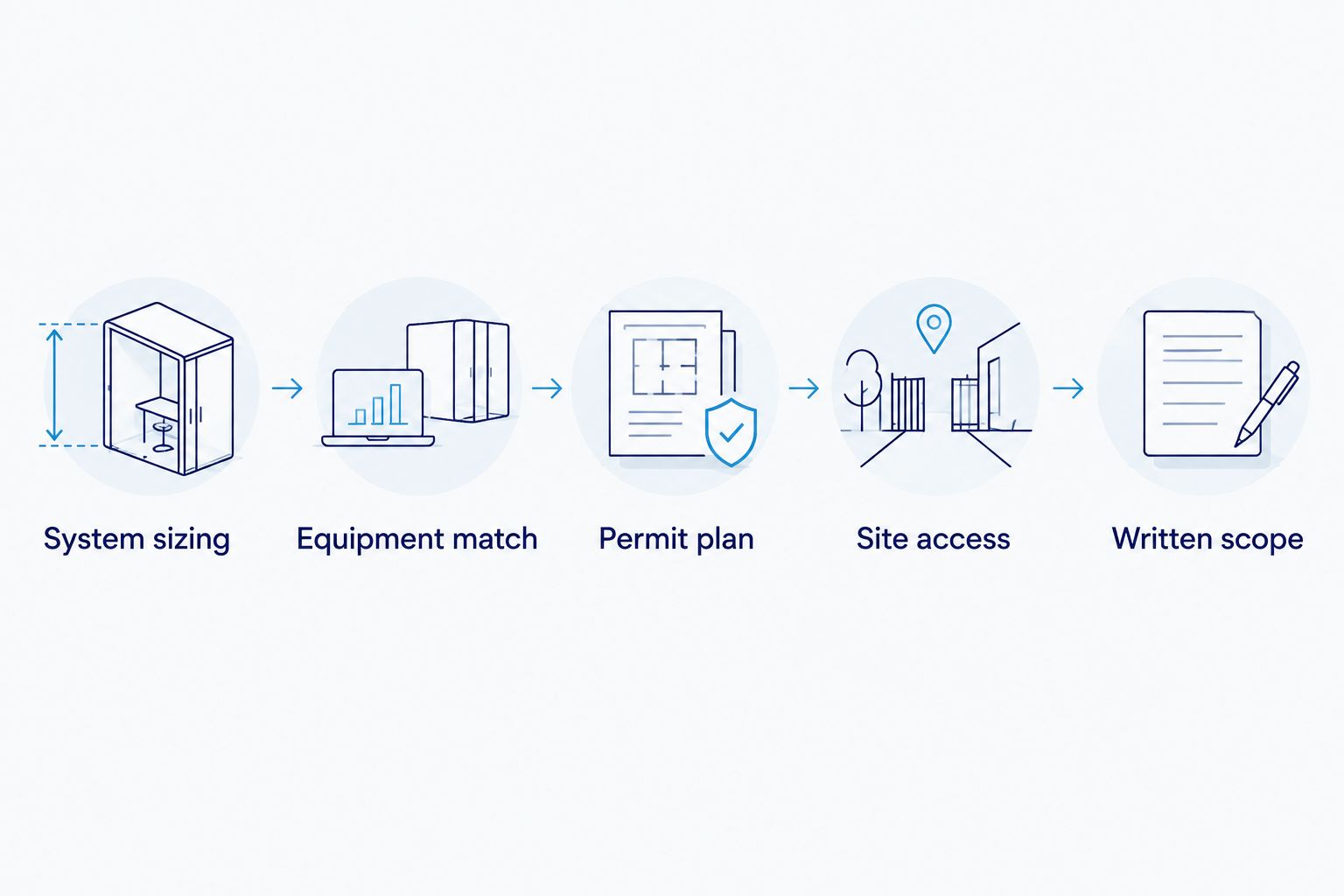
Use these criteria before treating any brand as the quickest choice:
- System sizing: The proposed central AC system must match the home's cooling needs. Replacing a unit with the same size without checking the house skips a decision that affects comfort.
- Equipment match: The indoor and outdoor equipment need to work together. Ask what is included in the proposed installation, not just which name appears on the outdoor unit.
- Permit plan: Ask who handles the permit and what must happen before the installation is complete. Requirements can differ between Palm Beach, Martin and St. Lucie counties.
- Site access: The crew needs a clear route to the indoor equipment, outdoor unit and electrical connections. Tell the contractor about access limits before scheduling.
- Written scope: The estimate should say what will be replaced and what requires further inspection. That lets you compare actual jobs rather than brand names alone.
An installation date is only useful when the system, scope and permit plan are clear. A contractor who cannot answer those questions has not established that a particular brand will get your home cooling sooner.
AC brands at a glance
This is a comparison of buying paths, not a measured speed ranking. No installation-time data was provided for these brands. The right first conversation depends on which system you are considering and whether the contractor can explain the complete job.
| Brand | Best for | Standout consideration | Key limitation |
|---|---|---|---|
| Ruud | Homeowners considering a Ruud central AC system | A.R. Williams Air Conditioning is a certified Ruud Pro Partner | That credential does not establish a faster installation date |
| Carrier | Homeowners considering a Carrier central AC system | A.R. Williams Air Conditioning is a Carrier Authorized Dealer | Dealer status does not confirm equipment for your job |
| Daikin | Homeowners considering a Daikin central AC system | A.R. Williams Air Conditioning is a Daikin Comfort Pro | The designation does not replace a sizing or permit check |
1. Ruud: best for comparing a Ruud installation proposal
Best for: A homeowner who already has a Ruud central AC proposal and wants to know exactly what the contractor plans to install. A.R. Williams Air Conditioning is a certified Ruud Pro Partner, so Ruud belongs in the conversation. That credential alone does not establish how quickly a particular system can be installed at your house.
Ruud pros:
- You can discuss a Ruud proposal with a contractor that holds the stated Ruud credential.
- A defined brand gives you a starting point for checking the proposed indoor and outdoor equipment.
- You can request a written explanation of any work beyond replacing the equipment.
Ruud cons:
- No supplied evidence shows Ruud installs faster than Carrier or Daikin.
- A brand choice cannot settle access, sizing or permit questions.
Ruud pricing: Ask for a written quote for the complete installation scope before agreeing to work.
Verdict: Hold the brand decision until the contractor confirms the equipment, installation scope and required approvals. If another properly specified system is ready for your home first, the Ruud name alone is not a reason to wait.
2. Carrier: best for reviewing a dealer-led proposal
Best for: A homeowner comparing a Carrier central AC proposal and looking for a contractor with the stated dealer relationship. A.R. Williams Air Conditioning is a Carrier Authorized Dealer. You still need an installation plan specific to your house; dealer status is not a schedule.
Carrier pros:
- The contractor's Carrier Authorized Dealer status is an explicit credential you can verify during the conversation.
- You can ask the contractor to identify the equipment included in its Carrier proposal.
- A written scope makes it easier to spot whether electrical or ductwork questions remain open.
Carrier cons:
- The credential does not prove that the proposed equipment is available for your installation.
- No supplied installation-time comparison places Carrier ahead of another brand.
Carrier pricing: Get the full job quoted before work starts, including any changes the contractor has already identified.
Verdict: Hold until the contractor can explain the proposed system and a workable installation schedule. Choose the complete plan over an unsupported claim that Carrier is quicker.
3. Daikin: best for assessing a Comfort Pro proposal
Best for: A homeowner considering a Daikin central AC proposal who wants to review it with a Daikin Comfort Pro. A.R. Williams Air Conditioning holds that designation. It identifies a relevant contractor relationship, not a guaranteed installation time or a substitute for checking the home.
Daikin pros:
- You can discuss the proposal with a contractor holding the stated Daikin designation.
- The proposal can identify which indoor and outdoor equipment the contractor intends to use.
- You can ask how the contractor will address humidity as part of the complete system choice.
Daikin cons:
- No supplied evidence shows Daikin takes less time to install than Ruud or Carrier.
- The designation does not resolve permit or site-access requirements.
Daikin pricing: Compare a written quote for the whole installation, not a brand name by itself.
Verdict: Hold until you have a specified system and a clear scope. A Daikin designation is a reason to discuss the option, not a reason to assume an earlier finish.
How these options were ranked
Ruud, Carrier and Daikin appear because the contractor's stated credentials cover those brands. Their order is not a finding that one installs faster. There is no supported brand-by-brand installation-speed winner in 2026. For your home, rank the proposals by confirmed fit, equipment, permit plan and written scope instead.
That distinction protects you from an avoidable mistake: accepting a date before the job has been defined. A contractor can explain what must be checked without pressuring you to choose a brand on the spot. If you receive different recommendations, ask each contractor to explain the difference in plain language.
The questions that decide the schedule
Has the system been sized for your home?
Ask how the contractor determined the proposed capacity. A larger replacement is not automatically a better one, and the size of the old equipment is not the whole answer. Room layout, windows, insulation and the existing air distribution all affect the plan.
If a proposal calls for a bigger system, ask whether the existing ducts and return-air path can support it. The return is the route that carries indoor air back to the system. A restriction there can make a new installation disappoint even when the equipment itself works as specified. Start with this guide to choosing the right AC size for your home, then ask how the contractor applied those checks to your property.
Is the full equipment match confirmed?
Ask for the proposed indoor and outdoor equipment to be identified together. A central AC replacement can involve more than the outdoor unit you see beside the house. If a contractor has checked only that unit, the remaining work is not yet clear enough to judge the schedule.
You should also ask what the quote assumes about the current air handler, ducts, electrical connections and condensate drain. The condensate drain carries away water removed from indoor air. These questions do not mean every part needs replacing; they establish what has been inspected and what the quote covers.
Who handles the permit and inspection?
A contractor should explain the approval process for the property, including who applies for the permit and when an inspection is expected. Rules can differ between Palm Beach, Martin and St. Lucie counties. A quick equipment change is not the same as a completed, properly approved installation.
Ask this question before comparing proposed dates. The Florida AC installation permit guide covers the issues to raise with the contractor and the local permitting office. Your written proposal should make the contractor's responsibility clear.
Can the crew reach the work areas?
Show the contractor where the current indoor and outdoor equipment sits. Mention attic access, a narrow side yard or anything stored around the equipment. In an older home, ask whether the existing return-air opening is suitable for the proposed system rather than assuming a new outdoor unit solves an airflow problem.
For a home near the coast, point out visible wear on the outdoor equipment so it can be assessed as part of the replacement plan. A snowbird home that has sat empty also deserves a check of the existing system before the scope is finalized. Neither detail determines which brand is fastest, but both can change what work the house needs.
Which AC brand should you choose?
Choose the properly sized central AC system backed by the clearest complete installation plan, not the brand advertised as fastest. In 2026, there is no evidence here that Ruud, Carrier or Daikin consistently wins on installation speed in South Florida. Ask for a written comparison of the systems that fit your home, then confirm equipment, approvals and scope before choosing a date.
A.R. Williams Air Conditioning explains what its technicians find, lays out the options and quotes transparent flat-rate pricing before work starts. If your current AC has stopped cooling, ask for a system check first. Repair and replacement are different decisions, and the diagnosis should come before a brand recommendation.
FAQ
Which AC brand is fastest to install in South Florida in 2026?
No verified comparison identifies a fastest AC brand to install in South Florida in 2026. A properly sized system, confirmed equipment, a permit plan and site access tell you more about your job’s schedule than the brand name.
Does Ruud install faster than Carrier?
There is no supplied installation-time evidence showing Ruud installs faster than Carrier. Ask for the complete proposed scope and a schedule based on the equipment and work required at your home.
Does a Carrier Authorized Dealer finish installations sooner?
Carrier Authorized Dealer status does not establish a faster installation time. The contractor still needs to confirm the system, the work involved and the applicable approvals.
Is Daikin a faster choice for a central AC replacement?
There is no supplied evidence that Daikin central AC equipment installs faster than other brands. Compare a specified installation plan rather than relying on the brand to predict the finish date.
Can I book an AC installation before the permit is handled?
Ask the contractor how permitting fits into the proposed schedule before you agree to a date. The required process depends on the property and local authority, so the plan should identify who is responsible.
Will replacing my AC with the same size make installation quicker?
Do not use the old unit’s size as the only basis for a replacement. The contractor should check the home’s cooling needs and the existing air distribution before specifying the new system.
What if my AC is running but my house is still hot?
Have the system diagnosed before deciding to replace it. A cooling problem does not, by itself, identify the failed part or prove that a new installation is necessary.
One last thing
The most useful speed question in 2026 is not which badge is on the unit. Ask: What is still unconfirmed before you can set an installation date for my house? The answer should identify specific equipment, work or approval questions. If the contractor has none left, you can compare dates with a clearer understanding of what each proposal includes.
Related guides
