

A new AC system does not automatically lower your homeowners insurance premium in 2026. Any discount depends on your insurer's rules and your policy, so get written confirmation before counting it toward a replacement decision. A newer system also does not turn routine breakdowns or wear into covered insurance claims.
- A new AC system homeowners insurance discount is not automatic; ask your insurer for written eligibility requirements.
- Homeowners insurance, equipment warranties, and energy rebates address different needs. None guarantees the others.
- Choose AC replacement for documented equipment problems and home comfort, not an unconfirmed premium reduction.
- A.R. Williams Air Conditioning explains AC repair and replacement options; your insurer decides premium discounts and coverage.
Does a new AC system lower your homeowners insurance?
Only count an insurance discount after your insurer confirms it applies to your home and policy. An installation invoice proves that equipment was replaced. It does not prove that your insurer offers a credit for that work.
Start with the equipment decision. If you're unsure whether replacement is necessary, review how to tell if your AC needs repair or replacement before treating a possible insurance benefit as a reason to buy.
Several benefits get grouped together in replacement conversations. Keep them separate so you know who approves each benefit and what it actually covers.
| Benefit or protection | Best for | What it addresses | Main limitation |
|---|---|---|---|
| Homeowners insurance | Reviewing protection against covered property damage | Losses covered by your policy and any insurer-approved credits | Replacement alone does not establish discount eligibility or coverage |
| Manufacturer warranty | Understanding protection for new equipment | Defects or failures covered by the warranty terms | Exclusions and registration requirements still apply |
| Utility rebate | Checking an equipment-related incentive | Qualifying purchases under a utility's program rules | A rebate is separate from an insurance premium reduction |
Your insurance agent should explain the first row. Your contractor can explain the proposed installation, while warranty documents and program administrators establish the other requirements.
Why this matters before you approve replacement
An expected insurance discount can make a replacement proposal look more attractive than it really is. If the insurer doesn't approve it, you're left with a decision based on a benefit you won't receive. Evaluate the installation without an assumed premium reduction.
That doesn't make a new central AC system the wrong choice. Repeated failures, damaged equipment, poor cooling, or an installation that no longer meets your home's needs deserve a proper assessment. Those are equipment questions, separate from insurance pricing.
A.R. Williams Air Conditioning provides residential AC repair, installation, and maintenance. An AC assessment can establish what's wrong with the system and what work addresses it. It cannot establish what an insurance company will charge you.
How do you check for a new AC system homeowners insurance discount?
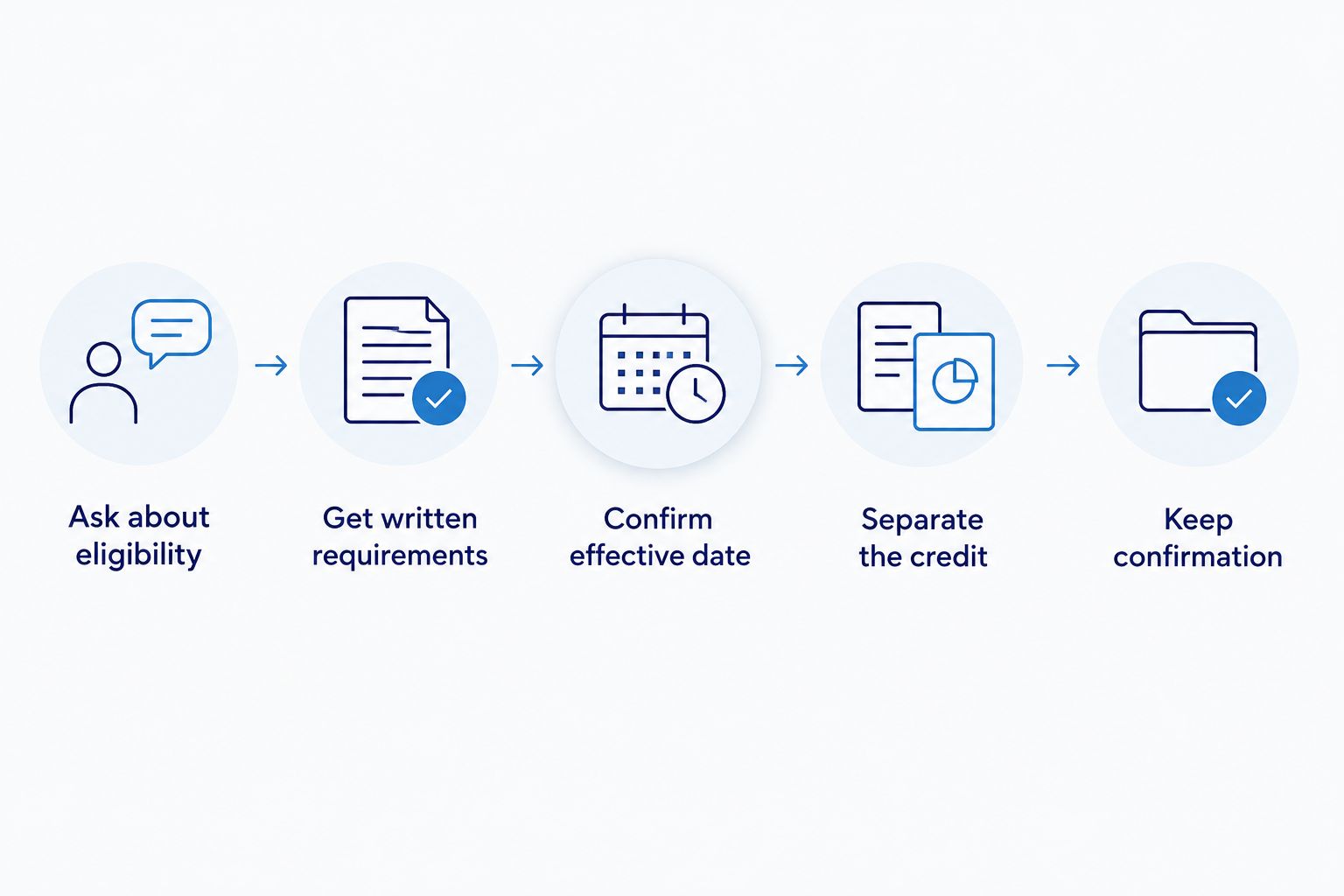
Ask about your specific policy before signing an installation agreement. For a 2026 replacement, request the insurer's current requirements rather than relying on a neighbor's experience or an older discussion with an agent.
Ask whether an AC-only replacement qualifies
Tell the agent that you're considering replacing a central ducted air conditioning system. Ask whether that change alone qualifies for a discount, or whether the insurer is discussing a broader home-update program.
That distinction matters. A credit tied to several home improvements is not proof that an AC-only project qualifies. Ask the agent to identify the applicable program and confirm which work is required.
Get the requirements in writing
Request an email or written explanation of eligibility. Ask what equipment information, installation records, or inspection documents the insurer needs, and whether approval happens before or after installation.
Use plain language: "Does replacing my central AC qualify under my current policy, and what do you need to confirm that?" This keeps the conversation focused on an answer you can use.
Confirm the effective date
Ask when an approved change would affect your policy. Don't assume that submitting an invoice changes the premium immediately.
Also ask whether the insurer needs anything else before applying the credit. A submitted document and an approved policy change are different stages, so keep the final confirmation with your records.
Separate the credit from the total premium
Ask the agent to distinguish any equipment-related credit from the total premium. A renewal comparison alone doesn't isolate the effect of your new AC.
For example, changes to coverage or deductibles affect what you're comparing. Request an explanation that identifies the approved credit separately, rather than interpreting the entire renewal difference as an AC benefit.
Keep the final confirmation
Save the insurer's response alongside your installation paperwork. If your policy renews in 2026, check that the issued documents match what the agent confirmed.
If the answer remains unclear, leave the discount out of your replacement decision. You can still choose the right equipment without assigning value to an unverified benefit.
Why insurance outcomes vary
There is no single discount rule to apply to every homeowner. These are the details to resolve with your insurer before treating replacement as an insurance-related improvement:
- The insurer's program: Ask whether it recognizes an AC replacement at all. Don't assume another company's rules apply.
- Your policy: Confirm that the proposed credit applies to the policy you hold, not a different product or quote.
- The work performed: Specify whether you're replacing the complete system, replacing one component, or completing a repair.
- Required evidence: Ask which invoices, equipment details, or inspection records support the review.
- Approval timing: Establish when the insurer reviews the work and when an approved adjustment takes effect.
Keep the description consistent between the installation proposal and the insurance inquiry. Replacing an outdoor unit is not the same scope as replacing the indoor and outdoor equipment together. Accurate descriptions help prevent misunderstandings about what was actually installed.
What paperwork should you keep after installation?
Keep a single folder for the project. For work completed in 2026, label the folder with the property address and installation date so you can find it during a policy review, warranty question, or home sale.
Useful records include:
- The final invoice and a description of the completed work.
- Model and serial numbers for the installed equipment.
- Permit and final inspection records, where required.
- Manufacturer warranty information and registration confirmation.
- The insurer's written eligibility decision and any updated policy documents.
Ask your contractor who handles permits and how you'll receive the completed records. Our guide to permits for AC installation in Florida explains the installation side of that process.
Permit approval is not insurance discount approval. A local building department and an insurance company answer different questions. Keep both records when applicable, but don't treat one as a substitute for the other.
Does a new AC change what homeowners insurance covers?
A new AC system does not, by itself, rewrite your policy's covered causes of loss or exclusions. Insurance coverage depends on the policy and the circumstances of the damage, not simply the equipment's age.
Routine wear and mechanical breakdown are generally different from damage caused by a covered event. If a component fails, have the cause documented rather than assuming that either insurance or the equipment warranty must pay.
Ask your agent about the central system's treatment under your policy, the applicable deductible, and any relevant endorsements. An endorsement is an addition that changes the policy's coverage. Read its terms instead of assuming that its name promises protection for every failure.
If damage has already occurred, keep the coverage question separate from the repair recommendation. A technician can document equipment findings; the insurer determines whether those findings support a covered claim.
Is an AC replacement the same as wind mitigation?
An AC replacement is not the same as a wind mitigation inspection or a qualifying structural improvement. Florida wind mitigation reviews concern features that reduce wind damage, including specified roof and opening protections.
Don't assume that new outdoor equipment, a replacement pad, or updated attachment hardware creates a wind mitigation credit. Ask your insurer which documented feature qualifies and which inspection form it requires.
Proper equipment installation still matters. It should meet the applicable installation requirements regardless of whether it produces an insurance benefit. Treat code compliance as part of doing the job correctly, not as a promised premium discount.
Should you replace a working AC for an insurance discount?
Don't replace a working AC solely for an unconfirmed insurance discount. First establish the equipment's condition and whether a repair or replacement addresses a real problem in your home.
Near the coast, salt air can corrode outdoor coils. In older homes, restricted return airflow can contribute to comfort problems that a new outdoor unit alone won't resolve. Ask the technician to explain the cause of the problem before discussing replacement equipment.
For a seasonal home, discuss how the system will be maintained while you're away. New equipment still needs care, and an insurance conversation doesn't replace a maintenance plan appropriate to the home.
A higher SEER2 rating describes cooling efficiency under standardized testing. It does not certify insurance eligibility. When reviewing a 2026 proposal, compare equipment suitability and installation scope first, then verify any separate incentive with the organization that approves it.
What should a clear replacement recommendation include?
A useful recommendation connects the proposed work to the problem you reported. If the upstairs rooms stay warm, ask how the plan addresses airflow and system sizing. If the concern is repeated equipment failure, ask what failed and why replacement is recommended over repair.
The proposal should make the scope understandable. You should know which equipment is included and whether the work addresses related installation issues. A premium equipment label alone doesn't explain how the project will solve your home's problem.
A.R. Williams Air Conditioning is best for homeowners who want an AC diagnosis and clear repair or replacement options. Technicians explain their findings, and flat-rate pricing is quoted before work starts. Insurance eligibility remains your insurer's decision.
The boundary is straightforward: choose the contractor for the quality and clarity of the HVAC work. Confirm insurance benefits with the party responsible for your policy.
FAQ
Will my homeowners insurance automatically go down after I replace my AC?
No, replacing your AC does not automatically reduce your homeowners insurance premium. Ask your insurer whether your specific policy offers an applicable credit and get the requirements in writing.
Does a higher SEER2 rating qualify me for an insurance discount?
A higher SEER2 rating does not establish insurance discount eligibility. SEER2 measures cooling efficiency under standardized testing; your insurer sets its own eligibility rules.
Will homeowners insurance pay to replace an AC that wears out?
Standard homeowners insurance generally excludes ordinary wear and tear. Coverage for a damaged system depends on the cause of loss, policy terms, exclusions, and applicable deductible.
Should I tell my insurance company that I installed a new AC?
Tell your agent about the replacement and ask whether your property information needs updating. Keeping equipment records current is separate from qualifying for a premium reduction.
Can a new AC count as a Florida wind mitigation improvement?
A new AC is not automatically a qualifying wind mitigation improvement. Ask your insurer which protective feature and inspection documentation support the credit being discussed.
Is a manufacturer warranty the same as homeowners insurance?
No, a manufacturer warranty and homeowners insurance are separate protections. Warranty terms address specified equipment defects or failures, while homeowners insurance addresses losses covered by the policy.
What should I ask my insurer before replacing my AC in 2026?
Ask whether your planned AC replacement qualifies under your current policy in 2026. Request written eligibility requirements, the documents needed, and the effective date of any approved adjustment.
One last thing
A replacement can be the right decision even when it produces no insurance discount. The stronger reason is a documented equipment problem and an installation plan that addresses it.
Before approving work, ask: "Would this recommendation still make sense without an insurance benefit?" A clear answer should focus on your system and your home. Talk with a technician at A.R. Williams Air Conditioning if you want help separating the equipment decision from the insurance question.
Talk with a technician
Get your AC assessed and discuss repair or replacement options before deciding.
Related guides
- Can AC repairs be covered by homeowners insurance?
- How to file an insurance claim for AC storm damage in Florida
- How to register your new AC system's warranty
